

Keeping Wildlife as a Pet is
Illegal
At iRescue Wildlife Rescue Center and Sanctuary, our primary mission is to help end the illegal pet wildlife trade in Costa Rica by providing rescue, rehabilitation, release, and retirement services for animals seized by the government.
Costa Rica’s Ban on Keeping Wildlife as Pets: Protecting Biodiversity and Animal Welfare
Costa Rica is celebrated worldwide for its biological richness. A small country that shelters around 5% of the planet’s biodiversity. This natural heritage has motivated a series of forward‑thinking laws to conserve wildlife, culminating in a prohibition on keeping wild animals as pets. Below is an exploration of the law, the motivations behind it and the implications for residents and visitors.
Background: Why Wildlife Protection Matters
Costa Rica’s rainforests, wetlands and coasts host jaguars, quetzals, monkeys, sea turtles and thousands of other species. The exotic appeal of these animals has historically driven illegal capture and trade. Captured wild animals suffer stress, malnutrition and disease in captivity and often cannot be returned to the wild. The removal of individuals from ecosystems also disrupts ecological balances. To address these issues, Costa Rica enacted a Wildlife Conservation Law (Law 7317 of 1992), later updated by reforms in 2012 and 2017.
Key Legal Provisions
Costa Rica maintains some of the world's strictest wildlife protection laws, which form the essential legal foundation for our rescue, rehabilitation, and release operations at iRescue. These robust regulations safeguard the country's exceptional biodiversity and irreplaceable natural ecosystems from exploitation, illegal trade, and habitat destruction driven by profit motives. By prohibiting the private ownership of wild animals as pets, these laws help preserve the delicate ecological balance that makes Costa Rica one of the most biodiverse nations on Earth ensuring future generations inherit a thriving, protected natural heritage.
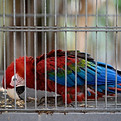
1. Prohibition of Capture, Trade and Possession (2012)
-
Ban on capture and trade of native wildlife: The 2012 reform (Law 9106) to the Wildlife Conservation Law made it illegal to capture, trade or possess native wild animals as pets. This applies to birds, mammals, reptiles and other fauna found naturally in Costa Rica.
-
Sport hunting banned: The same reform outlawed sport hunting and the taking of animals for sale or as pets. Hunting and falconry are permitted only in extreme subsistence situations, with tight regulation.
-
Exceptions: Certified wildlife rescue centers and zoos operating under Ministry of Environment and Energy (MINAE) and National System of Conservation Areas (SINAC) oversight can hold wildlife, but individuals cannot.

2. Ban on Importing Non‑Native Wild Animals (2017)
-
A 2017 regulatory update prohibited the importation of non‑native wild animals for the pet trade. Species like ferrets, sugar gliders and exotic birds that are not native to Costa Rica cannot be imported or owned privately.
-
The update also emphasised animal welfare: zoos must provide conditions resembling natural habitats and stimulate animals’ natural behaviours. Trade in wild‑caught and captive‑bred wild pets was explicitly outlawed.

3. Enforcement and Penalties
-
Seizure of illegally held animals: Authorities have procedures for confiscating illegally possessed wildlife and delivering them to accredited rescue centers.
-
Criminal and administrative sanctions: Individuals caught capturing, selling or possessing wild animals face fines and possible imprisonment. Failing to report animal cruelty is considered a serious offence.
-
Public participation: The 2012 law was the first legislation in Latin America passed through a popular initiative, reflecting strong public support for wildlife protection.
Frequently Asked Questions
Why Does the Law Exist?
Biodiversity conservation – Removing animals from the wild undermines ecosystems. Costa Rica’s ban helps maintain ecological integrity and supports its reputation as a conservation leader.
Animal welfare – Wild animals have complex needs. Costa Rica’s regulations emphasise their intrinsic value and wellbeing. Confined animals often suffer stress and cannot express natural behaviours.
Public health and safety – Wild animals may carry zoonotic diseases or become aggressive when stressed. Preventing private ownership protects both animals and humans.
What If You Already Have a Wild Animal?
Some residents may have kept parrots, iguanas or monkeys as pets before the law came into effect. Authorities encourage people to voluntarily surrender such animals to wildlife rescue centers. Rescue organizations can assess animals’ health and, if feasible, rehabilitate and release them. In cases where release isn’t possible due to long‑term captivity, animals can live out their lives in accredited sanctuaries where their needs are met. Contact the nearest SINAC office or a recognized rescue center for guidance. Handing over animals voluntarily may mitigate legal consequences and ensures better care for the animal.
What Are Responsible Alternatives?
Adopt domestic animals – Dogs and cats from local shelters need homes and can be excellent companions without impacting wildlife.
Support rescue centres and sanctuaries – Instead of owning a wild animal, visit and support wildlife rescue facilities or sanctuaries that provide educational experiences while prioritising animal welfare.
Respect wildlife in nature – Appreciate Costa Rica’s wildlife in national parks and reserves, keeping a respectful distance and avoiding disturbing animals.
Conclusion
Costa Rica’s prohibition on keeping wildlife as pets reflects its commitment to conservation and humane treatment of animals. By outlawing the capture, trade and possession of wild animals and banning imports of non‑native species, the country protects its rich biodiversity and promotes ethical coexistence with nature. Residents and visitors can honour this mission by embracing responsible pet ownership, supporting rescue organisations and enjoying wildlife where it belongs, in the wild.